

There isn’t one universal “minimum glass thickness” that fits every interior guard. The real minimum is the thinnest glass that meets safe guard performance for your mounting style, panel size, and stair or landing layout. This is why two quotes can both be “right” and still spec different glass. If you’re planning indoor glass railings, the smartest move is to choose thickness as part of the full system, not as a stand‑alone number.
You will also hear a lot of casual shorthand in the market, like “10 mm is fine” or “you need 12 mm for frameless.” Those phrases can be directionally useful, but they are not a spec. Your structure, hardware, and spans decide what feels solid and what ends up feeling springy.
What “Minimum Thickness” Actually Means
Minimum glass thickness is the thinnest panel that meets guard performance requirements for your specific railing system and layout, without excessive movement. In plain terms, it’s the thinnest glass that still feels secure when the system is installed correctly.
That definition matters because “minimum” is not a code clause like “minimum stair width.” It’s a performance outcome that depends on how the glass is supported and how the guard is built.
Here’s the catch: the same glass can behave completely differently depending on support. A panel that’s captured continuously in a base shoe behaves differently than a panel held by a few point supports. A panel acting as infill between posts behaves differently than a “mostly glass” guard where the glass does the heavy lifting.
That’s why thickness questions can’t be answered honestly without asking, “How is the glass mounted?” If a supplier answers thickness without asking about the system, they’re guessing.
The Two Big Categories That Decide Thickness First

Glass In A Guard (Infill)
Infill glass means the guard’s structure is doing most of the work. Think posts and rails providing rigidity, with glass filling the openings. The glass still needs to be safety glass and properly specified, but the frame limits how much the glass can flex in use.
This is why you’ll often see thinner options quoted for framed or post‑supported systems. The frame carries more of the load path, and the glass isn’t being asked to behave like the primary structure.
Glass Acting As A Guard (Structural Glass)
Structural glass systems are the ones people often call “frameless,” even though they still use hardware. In these systems, the glass is a major structural element of the guard, transferring loads into a shoe channel, standoffs, or another mounting method.
Because the glass is doing more work, thickness often trends thicker to control movement and meet performance. If you’ve ever leaned on a glass guard and felt a bounce, you’ve felt the difference between “looks frameless” and “designed to feel solid.”
What Drives Glass Thickness In Real Homes
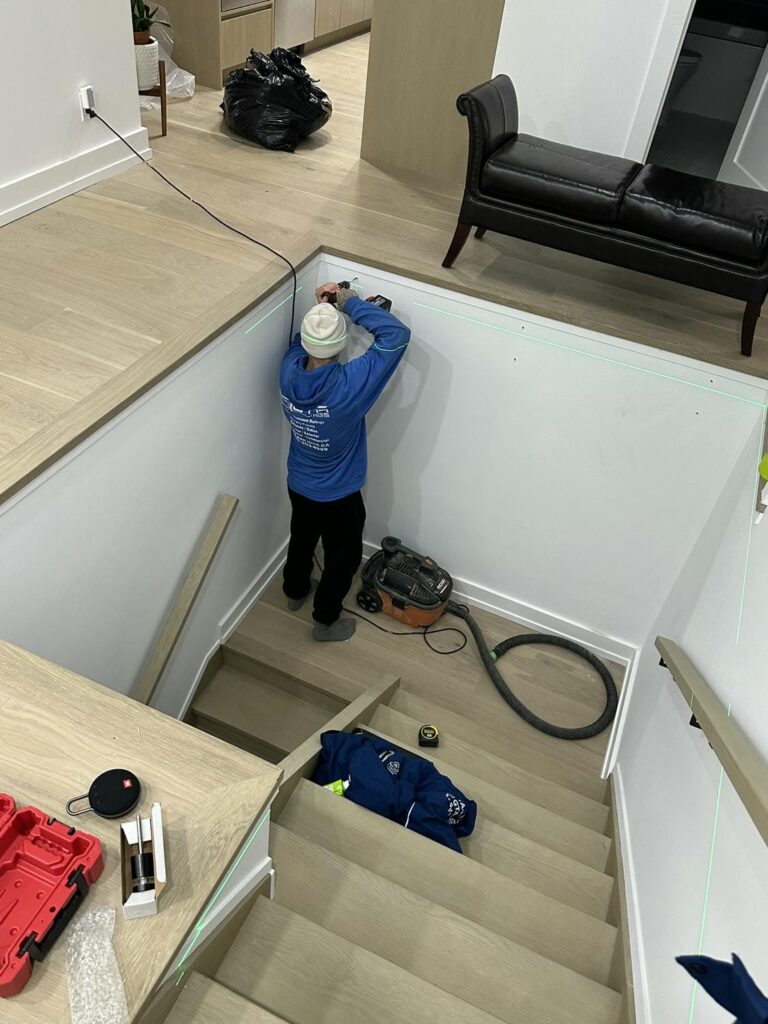
Mounting Method And Support Spacing
Mounting method is usually the biggest driver. A continuous base shoe captures the glass along the bottom edge, which changes how it resists movement. Standoffs and clamps create point supports, which concentrate forces and change how the panel behaves. Posts with infill glass can reduce demand on the panel because the posts carry much of the structure.
If you want a clearer picture of how shoe channels, standoffs, and clamp systems change the design constraints, start with our indoor glass railinghardware breakdown. It explains what looks low-profile on stairs vs landings, and why those choices affect the rest of the system.
Panel Size, Guard Height, And “Bounce”
Bigger panels and taller guards create more opportunity for movement. Even if everything is technically “to spec,” a tall run on an open landing will be felt differently than a short section beside a stair. Homeowners notice that feel immediately.
This is where thickness shows up in real life. Thicker glass can help reduce perceived movement, but it’s not a magic fix. The system design, how the glass is restrained, and where the loads go matter just as much as the panel thickness.
Substrate And Anchoring Conditions
The strongest glass in the world won’t make a weak anchor feel good. If you’re anchoring into concrete versus wood framing, the design approach changes. If your finished floor build-up is thick or your edge conditions are limited, hardware options can narrow.
This is why we treat thickness as a “system decision.” If the structure can’t support a specific mounting method, you may need to change the hardware approach, not just increase glass thickness. In many cases, the cleanest result comes from matching the mounting method to the real conditions first.
Tempered Vs Laminated (Thickness Isn’t The Only Safety Variable)
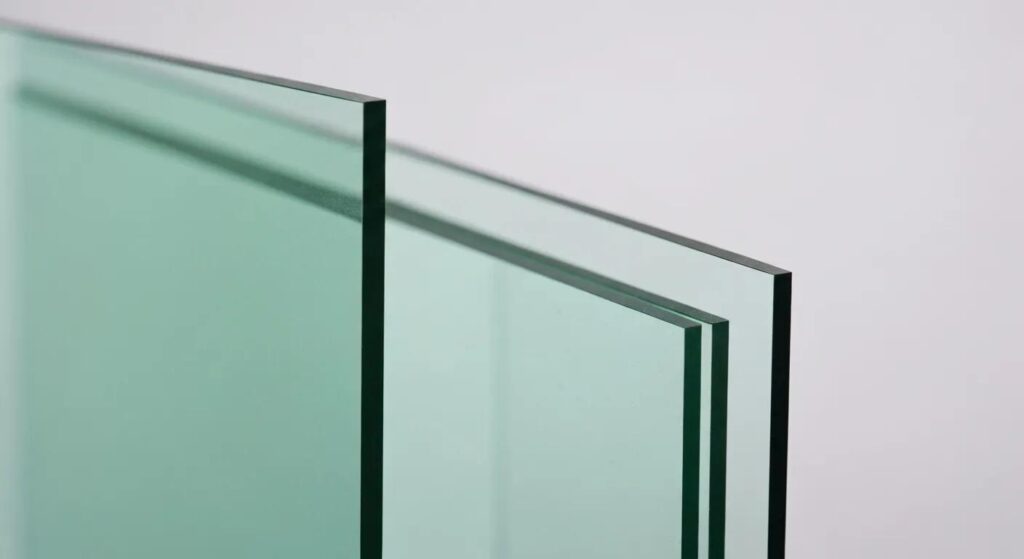
Why Glass Type Changes The Conversation
Tempered and laminated glass behave differently, especially in how they respond if breakage occurs. Thickness alone doesn’t tell the whole story, because a laminated build is made of layers plus an interlayer, while tempered is a single piece of heat-treated glass. That changes performance characteristics, handling, and sometimes how the system is engineered.
This is also why you’ll see different “thickness” language in quotes. Someone may quote a single thickness (like 12 mm tempered), while another quote may describe a laminated build-up (like two thinner layers making a thicker overall panel). If you compare numbers without comparing glass type and mounting, you’ll get a false comparison.
If you want the practical breakdown of tempered vs laminated and what matters at home, use this guide.
Does A Top Rail Or Handrail Change The Thickness You Need?
Why A Rail Can Reduce Touching The Glass (And Change How The System Feels)
A top rail or handrail changes how people use the system. When people have a comfortable grip line, they hold the rail instead of pressing on the glass. That reduces day-to-day pushing and pulling on the panel surface, and it often makes the whole system feel more confident to live with.
That said, a rail doesn’t automatically mean you can “go thinner.” Thickness is still driven by system design and performance needs. What a good rail does is reduce unwanted behaviour, which can improve lived experience without forcing the glass to do everything.
Handrail Planning Should Happen Before Glass Is Cut
Handrail decisions affect more than comfort. They affect where seams land, how corners are finished, and whether you end up with a bulky cap you didn’t want. Late handrail changes can force awkward compromises because the glass has already been fabricated.
If you want a clear overview of handrail options that pair well with interior glass railings, review this guide before you lock in the glass spec.
Quick Guidance
This table is not a “code minimum chart.” It’s a reality check for why thickness recommendations change when the mounting method changes. Use it to sanity-check quotes, not to self-spec your project.
| System Style | Thickness Direction | Why It Trends That Way |
| Post + Infill Glass | Usually Thinner | Frame carries more load and limits movement |
| Base Shoe / Frameless Look | Usually Thicker | Glass carries more guard load and needs stiffness |
| Standoffs / Point Supports | Often Thicker And More Constrained | Concentrated support points drive design limits |
If someone tells you “X mm is the minimum” without first identifying your system style, you’re not getting a real answer.
How To Spec The Right Thickness In 5 Steps
Step 1: Identify If Your Glass Is Infill Or Structural
Start by identifying the job your glass is doing. If you have posts and rails doing most of the structure, your glass is likely infill. If the look is mostly glass with minimal visible structure, the glass is likely acting as a primary structural element.
This matters because it changes what the glass is being asked to resist. Infill glass can often be spec’d differently than structural glass even when the finished look feels similar at first glance.
Step 2: Confirm Mounting Method And Support Spacing
“Frameless” is a look, not a spec. The spec is the mounting method: shoe, standoffs, clamps, or post framing. Support spacing matters too, because longer unsupported runs can feel more flexible.
If you want a clean, low-profile look, confirm the hardware family early. Hardware choice affects edge clearances, hole patterns, and how the glass is restrained, which all feed into thickness decisions.
Step 3: Confirm Panel Heights And Any Oversized Sections
Identify the tall or long sections of the guard. Open-to-below landings, long hallway edges, and big uninterrupted runs can behave differently than short stair sections. The “problem child” panel often dictates the spec, because the system has to perform consistently across the run.
This is also where you should decide whether you want to break panels for design reasons or keep them larger for fewer seams. Fewer seams can look cleaner, but larger panels can increase demand on stiffness and handling.
Step 4: Decide Tempered Vs Laminated Strategy
Decide glass type as part of the full performance conversation. Tempered and laminated are both used in interior guard systems, but they behave differently and can be specified differently depending on the application and design strategy.
Step 5: Finalize After Site Conditions Are Ready
Thickness and glass fabrication details should be finalized after you know the real site conditions. Flooring thickness, stair nosings, and final edge conditions can affect hardware position and glass geometry. If you template too early, you may end up redesigning after the glass is already ordered.
If you want to understand when templating happens and why it matters for final fit, use our process guide. It explains the sequencing that prevents costly rework.
Ontario Code And Standards
What Code Is Actually Asking For
Ontario Building Code requirements for guards are about performance outcomes: guard height, openings, and strength. The code doesn’t typically hand you a “minimum thickness” table for interior glass guards in plain language. Thickness is one input used to achieve the required guard performance when paired with the right system design and mounting.
If you want the official regulation source, Ontario publishes the Building Code regulation text on e‑Laws. This is the best government reference point for guard intent and requirements.
Why You Should Be Wary Of “Minimum Thickness” Claims
Be cautious when someone gives you a thickness answer without asking any questions. If they don’t ask how the glass is mounted, what the spans are, what the guard height is, or whether it’s a stair or a landing edge, they’re not specifying. They’re defaulting.
Bottom line: thickness is not a product. It’s a result of system design.
If you want confidence, the conversation should start with layout and mounting method, then move to glass type and thickness as the final step.
Common Mistakes That Lead To Wrong Thickness (And Regret)
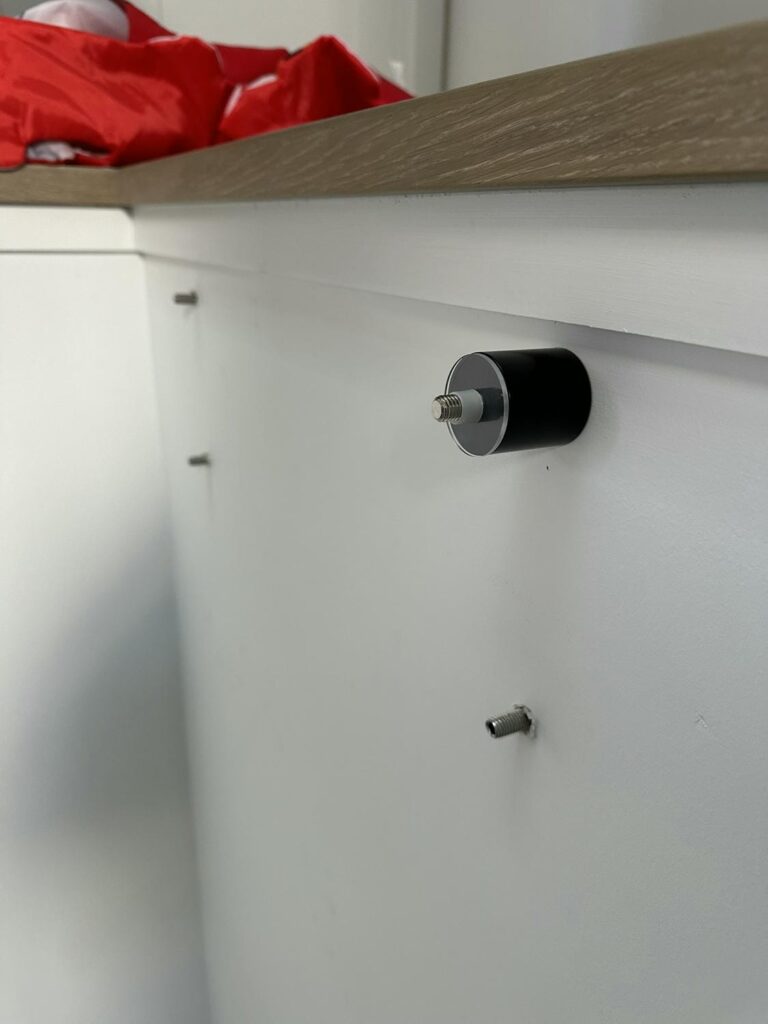
Buying Glass Before Hardware Is Final
Glass and hardware are a package. Hardware can require holes, notches, edge clearances, and specific clamping zones. If you buy glass before hardware is selected, you can paint yourself into a corner where the glass cannot be mounted cleanly.
This is also how projects end up with bulkier solutions than planned. When you force a retrofit after fabrication, the “minimal” design usually becomes more complicated, not less.
Copying A Photo Without Matching The Structure
A frameless look installed into concrete is not the same as a frameless look installed into a framed wood edge. A stair stringer condition isn’t the same as a flat landing edge. Photos don’t show anchoring, substrate, or how the system transfers loads.
Use photos for style direction only. Then match the style to what your home can actually support. That’s how you avoid a glass thickness spec that looks good on paper but feels wrong in real use.
Trying To “Fix Bounce” With Thickness Alone
If a railing feels bouncy, the fix is rarely “just go thicker.” Sometimes thicker glass helps. Often, the bigger fix is changing how the glass is restrained, changing panel sizes, adding better support, or choosing a more appropriate mounting method.
A well-designed system feels solid because the whole package works together. Glass thickness is part of that, but it’s not the only lever.
Spec Thickness As Part Of The System, Not A Guess
If you want a clean, solid interior glass guard, treat thickness as the final decision, not the first. Start with your layout, decide how the glass will be mounted, confirm your handrail strategy, then finalize the glass type and thickness once site conditions are ready.
GTA Railings has over 15 years in business, uses railings made in Canada, and is certified and insured. We back our work with a 2‑year warranty on all materials and workmanship, and we build with Ontario Building Code intent in mind. If you want a system that looks minimal and feels solid, start with our indoor glass railings services.
Frequently Asked Questions
There isn’t one universal minimum that applies to every home and every mounting method. The real minimum depends on whether your glass is infill or structural, how it’s mounted, the panel sizes, and the required guard performance for the location.
Because the support method changes everything. A post-and-infill system and a base-shoe “frameless” look can appear similar, but they load the glass differently and can require different thickness strategies.
Often, yes. When the glass is acting more like the guard structure, thickness frequently trends thicker to control movement and meet performance. The correct spec depends on the base system, spans, and site conditions.
They behave differently, especially in breakage behaviour and retention. The “better” choice depends on your system design and application. It’s a performance decision, not only a thickness decision.
Finish (clear vs frosted) usually doesn’t drive thickness. Mounting method, panel size, and glass type drive thickness. Finish mainly affects privacy, glare, and the look of the space.
Not automatically. A handrail can change how people use the guard and can improve the lived feel of the system, but thickness still depends on overall engineered design and how the glass is supported.
After you’ve confirmed the mounting method, handrail strategy, and final site conditions that affect measurements. Templating too early can lead to redesign or compromises after fabrication.