
Frameless vs Framed Glass Railings: Key Differences for Your Indoor Design Choices
Indoor glass railings present a transformative opportunity to elevate any space with light, openness, and safety. Whether you’re weighing frameless panels against framed balustrades, understanding their distinct attributes unlocks the ideal solution for your home or commercial interior. In this guide, we’ll examine frameless glass railings’ minimalist benefits, framed systems’ classic appeal, side-by-side comparisons of design, structure, cost, maintenance, and code compliance, and offer clear criteria to choose the perfect railing style.
Explore our Indoor Glass Railing Systems for custom installations that blend safety glass standards with tailored design.
What Are Frameless Glass Railings and Their Indoor Design Benefits?
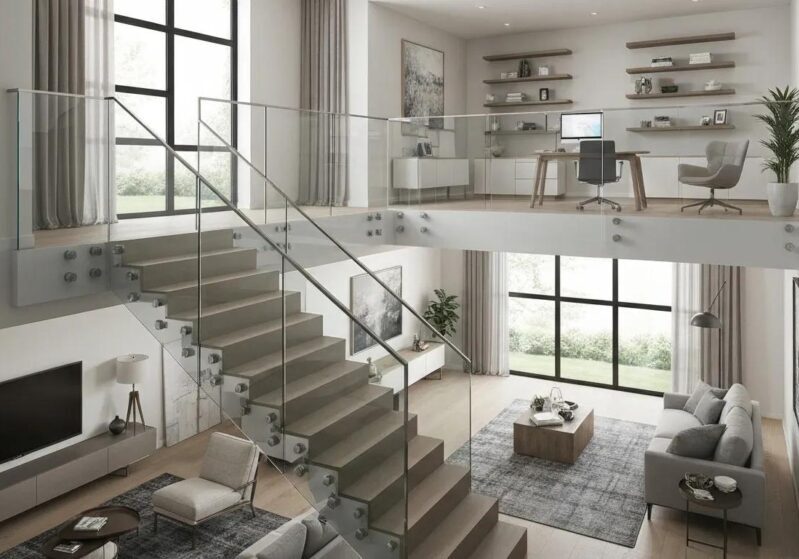
Frameless glass railings consist of thick, tempered or laminated panels secured with minimal hardware—such as base shoes, spigots, or standoffs—delivering seamless sightlines and enhanced natural light. This minimalist configuration improves spatial continuity, promotes modern aesthetics, and maintains rigorous safety performance under building code requirements.
What Defines Frameless Glass Railings?
A frameless system features large glass panels held at their base or edges without a continuous top rail or side posts. Support derives from:
- Base-channel shoe anchored to floor substrate
- Stainless steel spigots or standoffs attaching panel edges
- Precision-engineered glass thickness (10–15 mm) for load resistance
This method yields uninterrupted transparency that draws the eye outward, creating a visually expansive interior that flows naturally into adjacent rooms.
How Do Frameless Railings Enhance Indoor Aesthetics?
Frameless glass railings elevate contemporary interiors by dissolving visual barriers and maximizing daylight distribution. Three primary aesthetic advantages include:
- Uninterrupted Sightlines – Glass panels extend from floor to handrail height, preserving visual connection across spaces.
- Light Amplification – Clear surfaces allow natural light to penetrate deeper, reducing shadowed areas.
- Minimalist Appeal – Sleek hardware and edge-mounted supports align with modern decor themes.
These qualities reinforce a sense of openness and can accentuate architectural features like floating stair treads or mezzanine overlooks.
What Are the Typical Indoor Applications for Frameless Glass Railings?
Frameless railings adapt to a variety of settings where transparency and modern elegance are desired:
- Staircases in open-concept homes
- Mezzanine and balcony enclosures
- Loft-style living rooms and atriums
- Commercial galleries and reception areas
Each application benefits from the system’s structural integrity and unobstructed panorama, ideal for both residential and commercial designs.
What Are Framed Glass Railings and Their Indoor Design Advantages?
Framed glass railings pair tempered or laminated infill with visible frames—often aluminum, stainless steel, or powder-coated steel—creating a defined edge that supports glass and anchors safely to floors or walls. This arrangement offers a balanced blend of transparency and tactile structure.
What Are Framed Glass Railings?
In a framed system, glass panels slide into top and bottom rails or are secured by clamps between vertical posts. Key characteristics include:
- Aluminum or steel posts spaced for uniform support
- Top rail forming continuous handhold and lateral stability
- Bottom rail or shoe channel securing panel bases
This construction provides a more traditional silhouette while delivering the same safety glass performance as frameless options.
How Do Framed Railings Contribute to Classic Indoor Designs?
Framed railings accentuate classic and transitional interiors by framing views and coordinating with existing millwork. They offer:
- Defined boundaries that complement crown moulding and trim
- Opportunity for decorative profile sections or accent lighting
- Integration with wood or metal details for cohesive styling
By emphasizing the frame’s material and finish, these railings reinforce architectural motifs common in heritage homes and formal commercial spaces.
Where Are Framed Glass Railings Best Used Indoors?
Framed systems thrive in environments that prioritize robustness and a defined aesthetic:
- Grand staircases in luxury residences
- Executive boardrooms and hotel lobbies
- Restaurant mezzanines and retail display areas
- Sunrooms where matching window frames is essential
These applications benefit from the frame’s ability to handle frequent use and visually anchor the railing to surrounding structures.
What Are the Key Differences Between Frameless and Framed Glass Railings?
Understanding critical distinctions across design, structure, installation, cost, maintenance, and code compliance ensures the right choice for your indoor project.
How Do Frameless and Framed Railings Differ in Design and Aesthetics?
Below is a comparative overview of visual and stylistic attributes:
Each aesthetic choice carries distinct spatial effects that influence interior character and flow.
What Are the Structural and Support System Differences?
Frameless and framed systems rely on fundamentally different hardware:
These structural variations define load distribution, rigidity, and installation tolerance.
How Do Installation Processes Vary Between Frameless and Framed Systems?
Installation complexity and workflow differ markedly:
- Frameless: Precise leveling of base shoe, custom-cut glass, and specialized calibration of spigots.
- Framed: Standard post layout, assembly of rails, and insertion of glass panels into channel.
Frameless projects often require skilled installers for perfect alignment, while framed systems align with conventional railing assembly techniques.
What Are the Cost Differences for Indoor Glass Railings?
Investment parameters hinge on materials, labor, and customization:
Frameless vs. Framed Railing Costs
The cost of glass railings varies depending on the design, materials, and installation complexity. Frameless systems typically involve higher upfront costs due to the use of thicker glass and specialized installation techniques, while framed options can offer more budget-friendly solutions.
Remodeling Magazine, Cost vs. Value Report (2024)
This citation provides context for the cost differences between frameless and framed glass railings, which is a key consideration for homeowners and designers.
Are Both Types Compliant with Canadian Safety and Building Codes?
Both frameless and framed glass railings use tempered or laminated safety glass engineered to exceed CSA safety standards. Systems must meet:
- Minimum railing height and infill strength per Ontario Building Code
- Glass thickness and mounting hardware load-testing requirements
- Guardrail and handrail specifications to ensure occupant protection
Proper installation by certified professionals guarantees full code compliance.
Glass Railing Safety Standards
Glass railings, whether frameless or framed, must adhere to stringent safety standards to ensure occupant protection. These standards include minimum railing heights, infill strength, and specific requirements for glass thickness and mounting hardware, all of which are essential for preventing accidents and ensuring structural integrity.
Canadian Standards Association (CSA), National Building Code of Canada (2020)
This research is relevant as it highlights the importance of adhering to building codes and safety standards when installing glass railings.
How to Choose the Right Glass Railing for Your Indoor Space?
Selecting between frameless and framed systems depends on design goals, budget, and functional needs.
What Factors Should Influence Your Glass Railing Choice?
Key considerations include:
- Design vision and stylistic preferences
- Budget per linear foot and long-term value
- Traffic frequency and load-bearing needs
- Desired level of transparency or privacy
Assessing these factors guides you toward the solution that balances form and function.
When Is a Frameless Glass Railing the Best Option?
A frameless glass railing excels when you aim to:
- Achieve an ultra-modern, open aesthetic
- Maximize daylight penetration across levels
- Showcase floating staircases or mezzanine overlooks
This choice transforms interiors into airy, light-filled environments with a premium finish.
When Should You Opt for a Framed Glass Railing?
A framed glass railing is ideal for situations where you:
- Seek a defined boundary matching traditional trim
- Require a cost-conscious solution with straightforward installation
- Need robust support in high-traffic or heritage settings
Framed systems deliver a timeless appeal with dependable structural performance.
What Are the Most Common Questions About Indoor Frameless and Framed Glass Railings?
Homeowners and designers typically focus on safety, cost, application range, and upkeep when evaluating glass railings.
What Are the Safety Considerations for Frameless Glass Railings Indoors?
Frameless railings rely on engineered glass panels and tested hardware rated for guardrail loads. Compliance with tempering standards and proper edge-work prevents cracking or failure under impact.
Are Frameless or Framed Glass Railings More Affordable?
Framed glass railings generally offer a lower starting price due to thinner glass and standard aluminum or steel frames, while frameless options involve thicker glass and specialized installation that command premium pricing.
Can Glass Railings Be Used Safely in All Indoor Areas?
Yes—both systems adapt to most indoor environments when designed to code. Moisture-prone zones (e.g., pool decks) require corrosion-resistant hardware and sealed connections for lasting performance.
How Do You Maintain Indoor Glass Railings for Long-Term Use?
Regular wiping with pH-neutral cleaners, inspecting fasteners, and keeping mounting tracks free of debris preserves glass clarity and hardware function, ensuring your railing remains both beautiful and safe over time.
Elevate your interior with a glass railing solution designed for your aesthetic, budget, and safety requirements. Browse our completed glass railing projects to see how custom frameless and framed installations transform spaces across the GTA. For a tailored consultation on Indoor Glass Railing Systems, contact GTA Railings to explore options that merge style, code compliance, and expert craftsmanship.